Entry · Ref AN4ESQDJ
Basement Waterproofing NJ for Peace of Mind During Heavy Rainfall
- Posted
- 2026-09-24
- Last amended
- 2026-09-24
- Account
- @dominickotmi280
Anyone who has owned a home in New Jersey long enough has a story about rain that came down too hard, too fast, or too often. A summer thunderstorm stalls over the neighborhood. A late winter thaw sends groundwater rising. A nor'easter pushes days of steady rain into already saturated soil. Then the basement starts telling the truth about the house.
Sometimes it begins with a smell. Sometimes with a damp corner, a thin line of efflorescence on the wall, or a small puddle near the floor joint. In more serious cases, water shows up through cracks, around utility penetrations, or right at the cove where the wall meets the slab. Homeowners often call that a surprise. Usually, it is not. The warning signs tend to arrive first, quietly.
That is why Basement Waterproofing NJ matters so much. In this region, waterproofing is not a cosmetic upgrade or a niche repair. It is part of responsible home ownership. New Jersey's mix of older housing stock, high water tables in some areas, clay-heavy soils in others, and increasingly intense rain events creates conditions where basements are asked to handle more water pressure than many were originally designed for.
A dry basement does more than protect boxes and holiday decorations. It protects framing, insulation, air quality, finished spaces, mechanical systems, and the resale story of the home itself. Just as important, it protects your nerves. There is a real difference between hearing heavy rain on the roof and thinking, "I should go check the basement," versus knowing the system below has been built to handle it.
Why heavy rainfall exposes weak points
Basement leaks are often described as if the foundation simply failed one day. In practice, water usually takes advantage of a chain of smaller issues. It may start outside, where gutters dump near the footing or grading sends runoff back toward the house. It may continue underground, where hydrostatic pressure builds against foundation walls. Then it finds the easiest route inward, which could be a hairline crack, a porous block wall, an old tie rod hole, or the seam where wall and floor meet.
Heavy rainfall makes all of this worse because the ground surrounding the foundation becomes saturated. Once soil is full, it cannot absorb much more water. That excess moisture presses laterally against foundation walls and downward around footing drains. In a perfect setup, drainage systems collect and redirect that water before it enters the home. In many New Jersey houses, especially older ones, "perfect" is not the word I would use.
I have seen homes where the basement looked fine most of the year, then leaked during only two or three storms annually. Those cases can be frustrating because they create a false sense of security. The owner thinks, "It only happens once in a while." Yet intermittent leakage can still rot materials, feed mold, and slowly stain the home's inspection history. Water does not have to flood a basement to cause expensive damage.
One of the hardest lessons for homeowners is that paint is not waterproofing. A masonry sealer on an interior wall may reduce minor vapor transmission, but it does not stop water pressure outside the wall. If anything, decorative coatings can hide the pattern of moisture movement long enough for conditions to worsen behind finished surfaces.
What basement water is really telling you
Different symptoms point to different sources. Understanding that distinction matters because the right fix for one house can be the wrong fix for another.
A damp wall with white mineral deposits often suggests moisture moving through masonry over time. A puddle that appears at the floor perimeter after prolonged rain points more toward hydrostatic pressure at the cove joint. Water dripping from above a basement window may have more to do with grading, window wells, or failed caulking than with the footing drain. Condensation on cold pipes or HVAC ductwork can mimic a leak and send a homeowner chasing the wrong repair.
This is where experienced diagnosis earns its keep. Basement Waterproofing NJ should https://wakelet.com/@ardwaterproof begin with observation, not guesswork. The contractor who walks in and prescribes the same system for every basement without discussing exterior drainage, soil conditions, foundation type, and the exact pattern of water entry is not doing careful work.
In New Jersey, foundation types vary more than many homeowners realize. Poured concrete, concrete block, stone, and older mixed-material foundations each behave differently. A block foundation, for example, can collect water inside its hollow cores. That can create seepage in locations that confuse people because the visible water entry point is not always the original source. Stone foundations present their own challenges, especially in older homes where movement, aging mortar, and irregular surfaces make simple sealing unrealistic.
Interior systems versus exterior systems
Homeowners often ask which is better, interior waterproofing or exterior waterproofing. The honest answer is that they solve different problems, and many basements benefit from a combination of both.
Exterior waterproofing addresses water before it enters the structure. That may include excavation, cleaning the outside wall, repairing cracks, applying a true waterproof membrane, installing drainage board, and improving footing drainage. When done properly, it is highly effective because it reduces water contact with the foundation itself. It is also labor intensive, more disruptive, and usually more expensive. Landscaping, hardscaping, porches, walkways, and access limitations can all complicate the job.
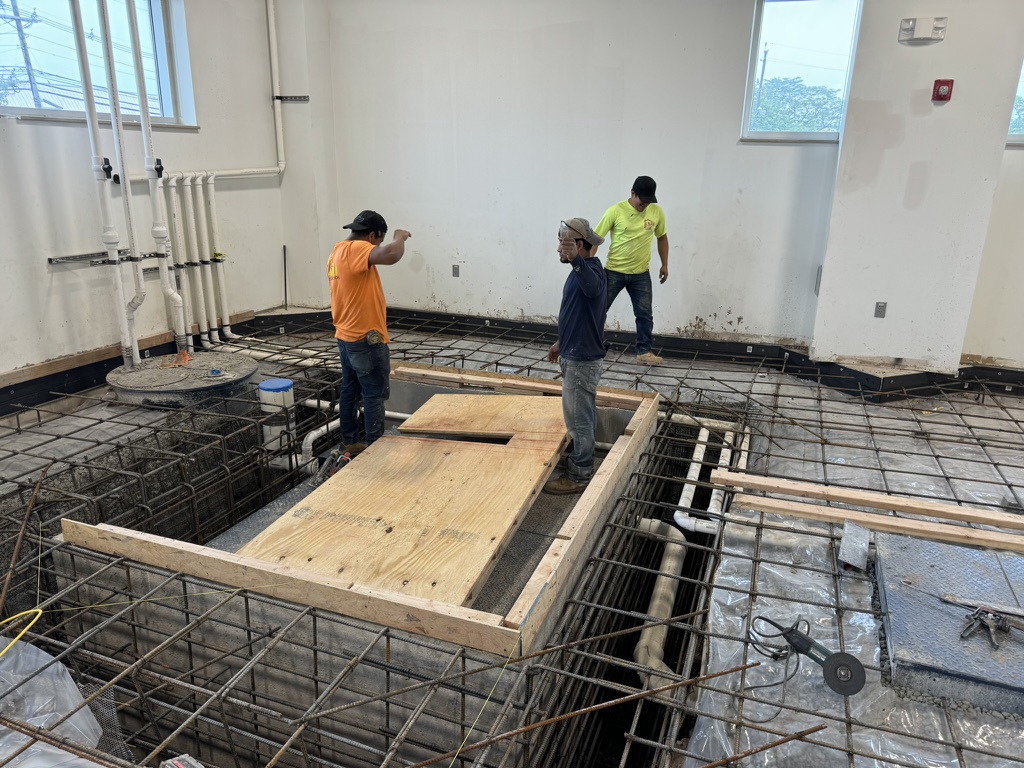
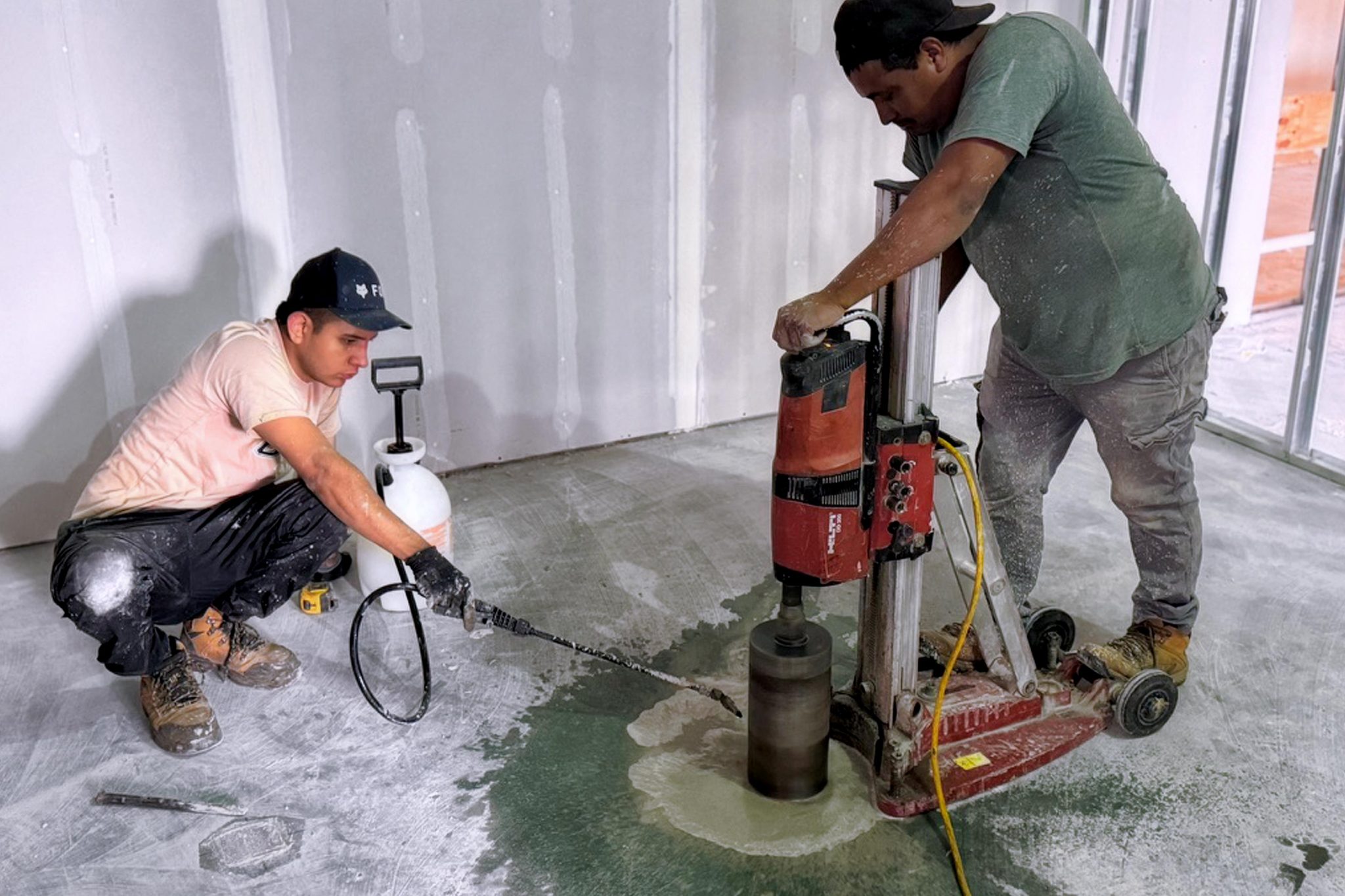
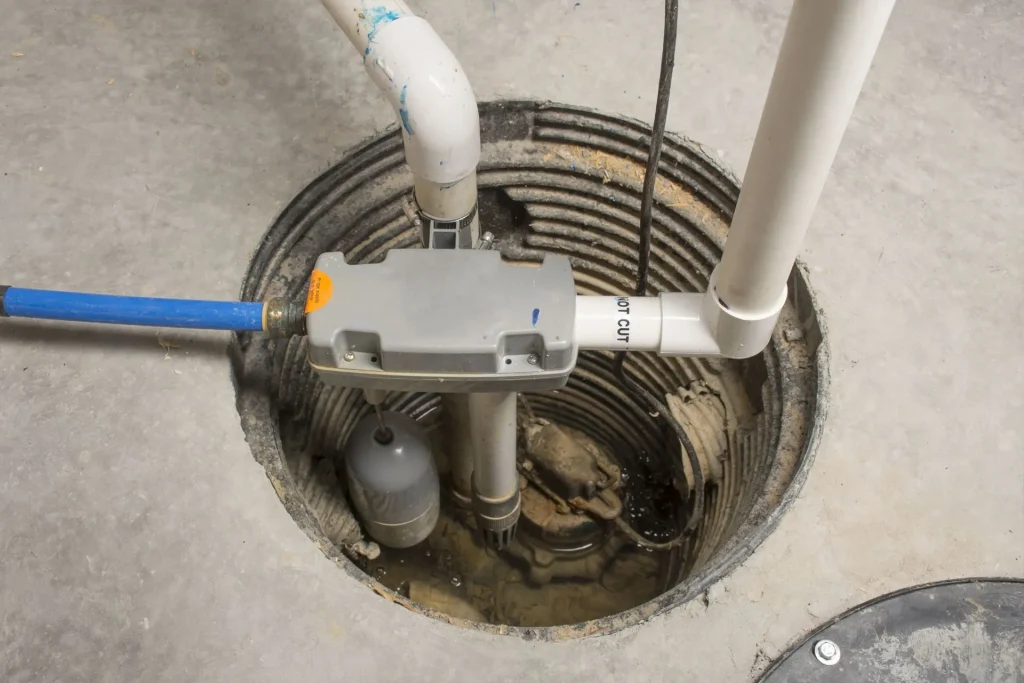
Interior waterproofing does not stop water from reaching the outside of the foundation, but it manages water that gets there. A typical interior system includes a perimeter drainage channel beneath the basement slab, a sump basin and pump, and a discharge line that carries collected water safely away from the house. In block foundations, interior work may also include wall drainage measures to relieve trapped water. This approach is often the practical choice when excavation is difficult or when hydrostatic pressure at the footing is the main issue.
There is no shame in an interior water management system. Some homeowners hear "interior" and assume it is a compromise. Not necessarily. In many New Jersey basements, a well-designed interior system performs reliably for years, especially when paired with sound exterior water control like grading, gutter extensions, and downspout management. What matters is whether the design matches the water behavior.
The outside fixes that should never be skipped
Before anyone cuts concrete in a basement or starts talking about membranes, the exterior basics deserve a hard look. I have seen people spend thousands on interior work while a downspout was dumping six feet of roof water directly at one corner of the foundation.
These are the first areas worth checking:
- Gutters that overflow, sag, or clog during storms
- Downspouts that discharge too close to the foundation
- Soil grading that slopes toward the house instead of away from it
- Window wells that collect water or debris
- Surface features such as patios or walkways that trap runoff against the wall
Those problems do not always eliminate the need for waterproofing, but they often reduce the load on the system and can prevent a manageable issue from becoming a major one. In some homes, correcting runoff and grading solves the complaint entirely. In others, it turns a severe seepage problem into a light moisture issue that can be addressed more efficiently.
There is also a timing issue here. If your basement leak appears after ten straight hours of rainfall, exterior water control may only be part of the answer. If it appears every time one downspout overflows, the diagnosis is pointing somewhere more specific. Pattern matters.
Sump pumps deserve more respect than they get
The sump pump is often treated like a background appliance until the power goes out during a storm and the basement starts filling. Then it becomes the most important machine in the house.
A sump system has one job, to collect groundwater and move it away fast enough to stay ahead of incoming water. That sounds simple. In the field, the difference between a dependable setup and a risky one often comes down to details. Basin size, pump quality, switch reliability, discharge routing, check valves, freeze protection, and backup power all matter.
I tell homeowners to think of the sump pump as an insurance device that has to perform under the exact conditions when everything else is also under stress. Heavy rain. Saturated ground. Potential power interruption. If the basement is finished or houses critical equipment like a furnace, water heater, electrical panels, or stored records, a battery backup or water-powered backup is not an extravagance. It is common sense.
A cheap pump can cost far more than it saves. So can an improperly routed discharge line. I have seen lines terminate too close to the foundation, creating a loop where the system pumps water out only for it to migrate back toward the footing. In winter, poorly planned lines can freeze solid and render the system ineffective when it is needed most.
Finished basements raise the stakes
A leak in an unfinished basement is easier to spot and usually cheaper to remedy. A leak behind finished walls can go unnoticed for months. That is where trouble grows.
Once drywall, insulation, trim, flooring, and built-ins are involved, moisture damage becomes both more expensive and less visible. Carpet pad can hold water. Wood framing can stay damp behind closed walls. Fiberglass insulation can sag and lose effectiveness. Even if a basement only experiences minor seepage, trapped humidity can lead to mold growth, musty air, and persistent odor that creeps upward into the living areas.
This is one reason I am cautious when people rush to finish a basement that has "never really flooded." That phrase is not a waterproofing plan. If you are investing in a basement office, gym, playroom, or guest space, moisture control should be solved first, not after the remodel.
A well-waterproofed basement also opens better design options. You can choose flooring and wall systems for comfort and aesthetics instead of making every material decision out of fear. You still want sensible selections, because basements are below grade and should be treated accordingly, but the project starts from a stable foundation rather than wishful thinking.
What a good inspection should include
A proper basement waterproofing assessment is part building science, part detective work. The goal is not simply to find water, but to understand how it gets there and what conditions make it worse.
At a minimum, an inspection should include exterior observations, interior moisture patterns, crack evaluation, questions about when the problem occurs, and a look at drainage paths both around and under the house. The contractor should ask whether the issue happens in every storm or only in wind-driven rain, whether snowmelt triggers it, whether the home has a sump already, and whether neighboring properties sit higher and drain toward yours.
A few practical signs often tell a lot:
- Efflorescence on walls or floor edges
- Rusted metal bottom plates, appliances, or shelving
- Peeling paint or warped trim in the lower level
- Musty odor that strengthens after rain
- Previous patchwork repairs at cracks or floor joints
None of those signs alone provides a full diagnosis, but together they build a picture. The best inspectors also explain uncertainty honestly. If a wall was recently painted or finished, they may not be able to trace every past intrusion visually. That is not a weakness in the evaluation. It is simply an acknowledgment that buildings sometimes hide their own history.
Common solutions, and when they make sense
Crack injection works well in many poured concrete foundations when the issue is localized and the structural conditions are stable. It is often a smart repair for isolated seepage through a non-moving crack. It is not a cure-all if the larger problem is widespread hydrostatic pressure or poor exterior drainage.
Interior perimeter drainage systems are effective when groundwater pressure causes seepage at the wall-floor joint or under the slab. They relieve pressure and direct water to a sump. For many New Jersey homes, this is the backbone solution because it manages recurring subsurface water reliably without major excavation.
Exterior excavation and waterproof membrane installation make sense when wall penetration is severe, foundation cracks need outside repair, or site conditions allow direct access without unreasonable disruption. It can be the most comprehensive approach, especially if the house has repeated wall leakage and failing exterior damp-proofing.
Dehumidification is often the missing piece. Waterproofing and humidity control are related, but not identical. A basement can stay dry from liquid intrusion and still feel clammy if ambient moisture remains high. A good dehumidifier, properly sized and drained, protects air quality and helps preserve finishes.
The right answer may involve two or three of these approaches together. That is common, not excessive. Houses rarely fail in only one way.
Cost, value, and the temptation to wait
Waterproofing is one of those home expenses that people postpone because the damage can feel abstract until it is not. Then one hard storm turns a deferred repair into a cleanup, demolition, insurance claim, or all three.
Costs vary widely depending on the system, access, basement size, and severity of the issue. A localized crack repair is one category. A full interior drainage system with sump and backup is another. Exterior excavation is another again. Exact pricing shifts over time and by market, so any honest discussion should stay broad unless a contractor has actually seen the property.
Still, the value proposition is usually straightforward. Compare the cost of prevention with replacing flooring, drywall, furniture, personal belongings, or mechanical equipment after repeated water intrusion. Add the less visible costs, mold remediation, lost use of the space, and the stress of every weather alert, and waterproofing starts looking less like a discretionary project and more like overdue maintenance.
Real estate also plays a role. Basement moisture history tends to surface during buyer inspections. Even when the issue seems minor to the seller, stains, odors, efflorescence, or visible sump retrofits can trigger concern. A professionally installed system with clear documentation often reassures buyers far more than a basement that merely looks fresh.
How New Jersey conditions shape the work
New Jersey is not one uniform waterproofing market. Soil composition, lot slope, proximity to waterways, seasonal groundwater behavior, and the age of the housing stock all change what works best.
In some coastal and low-lying areas, elevated groundwater can make under-slab pressure a recurring challenge even when surface drainage is decent. In older northern suburbs, you may see stone foundations, aging mortar, and additions built in stages over decades, each section interacting differently with moisture. In newer developments, the issue may be less about old materials and more about grading changes, compacted backfill, or builder-grade drainage details that were adequate on paper but underwhelming in real storms.
That local variation is one reason Basement Waterproofing NJ should never be treated like a generic online purchase. A system that performs beautifully in one county may need modification in another. Local experience matters, especially when contractors understand how certain neighborhoods drain, where seasonal water tables fluctuate, and how municipal stormwater patterns affect residential lots.
Choosing a contractor without getting sold a script
Homeowners do not need a contractor who talks the most. They need one who observes carefully, explains clearly, and recommends proportionate work.
A good waterproofing professional should be able to show you the logic behind the proposal. Why this system? Why not another? What evidence suggests footing pressure instead of wall penetration, or surface runoff instead of groundwater rise? They should also discuss maintenance. Sump pumps need testing. Discharge lines need periodic checks. Dehumidifiers need filter cleaning. Even excellent systems benefit from occasional attention.
Be wary of one-size-fits-all pitches and of promises that sound too absolute. Basements are below grade. Water exists. Good systems manage risk very effectively, but professionals should still speak with precision. The phrase "lifetime" may appear in warranties, yet the homeowner should understand what is covered, what requires maintenance, and what exclusions apply.
It also helps to ask about cleanup and restoration. Some basement waterproofing jobs involve concrete removal, dust control, and replacing sections of slab. A tidy, organized crew usually reflects a disciplined installation process. That matters more than many people think.
Peace of mind is a practical outcome
The emotional side of waterproofing is easy to underestimate until you have lived through a wet basement during a major storm. Sleep comes differently when you know the lower level has been assessed properly, the drainage path is understood, and the pump system has backup protection.
That peace of mind is not a marketing phrase. It is the result of solving the problem at the right level. Not overbuilding, not underreacting, not painting over symptoms and hoping for a dry season. Just a sound diagnosis and a durable fix.
For New Jersey homeowners, that approach makes sense because heavy rainfall is not an exception anymore. It is part of the planning horizon. A basement that stays dry through the next storm protects far more than the square footage below grade. It protects the health of the house and the confidence of the people living in it.
If your basement already shows signs of moisture, now is the time to pay attention. The stain on the wall, the damp smell after rain, the hairline crack you keep meaning to monitor, those are not small details when viewed in the context of another wet season ahead. Basement Waterproofing NJ is ultimately about readiness. When the weather turns rough, the best feeling is knowing your home is ready for it.
ARD Waterproofing
Address: 98 Smull Ave, West Caldwell, NJ 07006
Phone number: +12016465936
FAQ About Basement Waterproofing NJ
What is the best waterproofing method for a basement?
The best overall approach to waterproofing a basement is a combined exterior and interior system that stops water at the foundation wall and safely manages any moisture that gets through.
What is the average cost to waterproof a basement?
The average cost to waterproof a basement ranges from $2,500 to $15,000, with most homeowners paying around $5,200 for a complete project.
Can a basement be waterproofed from the inside?
Yes, a basement can be waterproofed from the inside, and it is often the most affordable and least disruptive method.